Money: Inflation Never Sleeps.
First, what is inflation? Or how I would like to call - the silence killer of your savings. We can define it as: The rate at which the overall level of prices for goods and services rises over time. As inflation increases, each unit of currency buys fewer items, which means your money loses purchasing power.
Imagine your daily cup of coffee costs $5 today. If inflation runs at 10% over the next year, that same coffee will cost $5.5 next year. The extra $0.50 reflects how price increases erode what your dollar can buy.
Now suppose today you can buy a compact car for $25,000. If inflation averages 5% per year, the same brand new model will cost about $31,907. Five years from now. Over ten years, the same model climbs further: $25,000 x 1.05¹⁰ ≈ $40,722. That extra $15,700 represents how rising prices affect purchasing power every year.
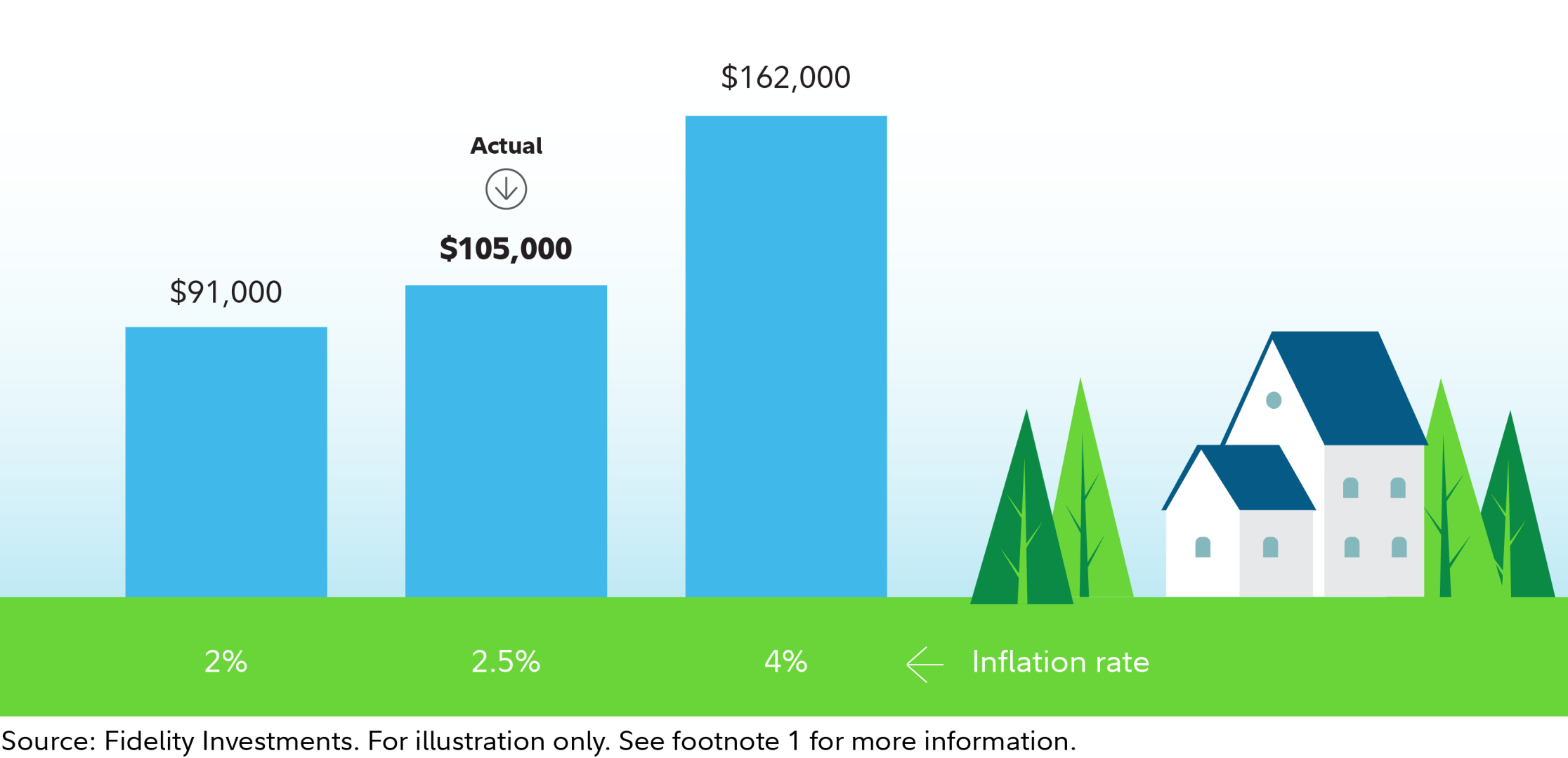
Consider how $50,000 worth of annual expenses grew from 1997 to 2023, and the difference a small change in the inflation rate would have made over that period (From 2% to 4%).
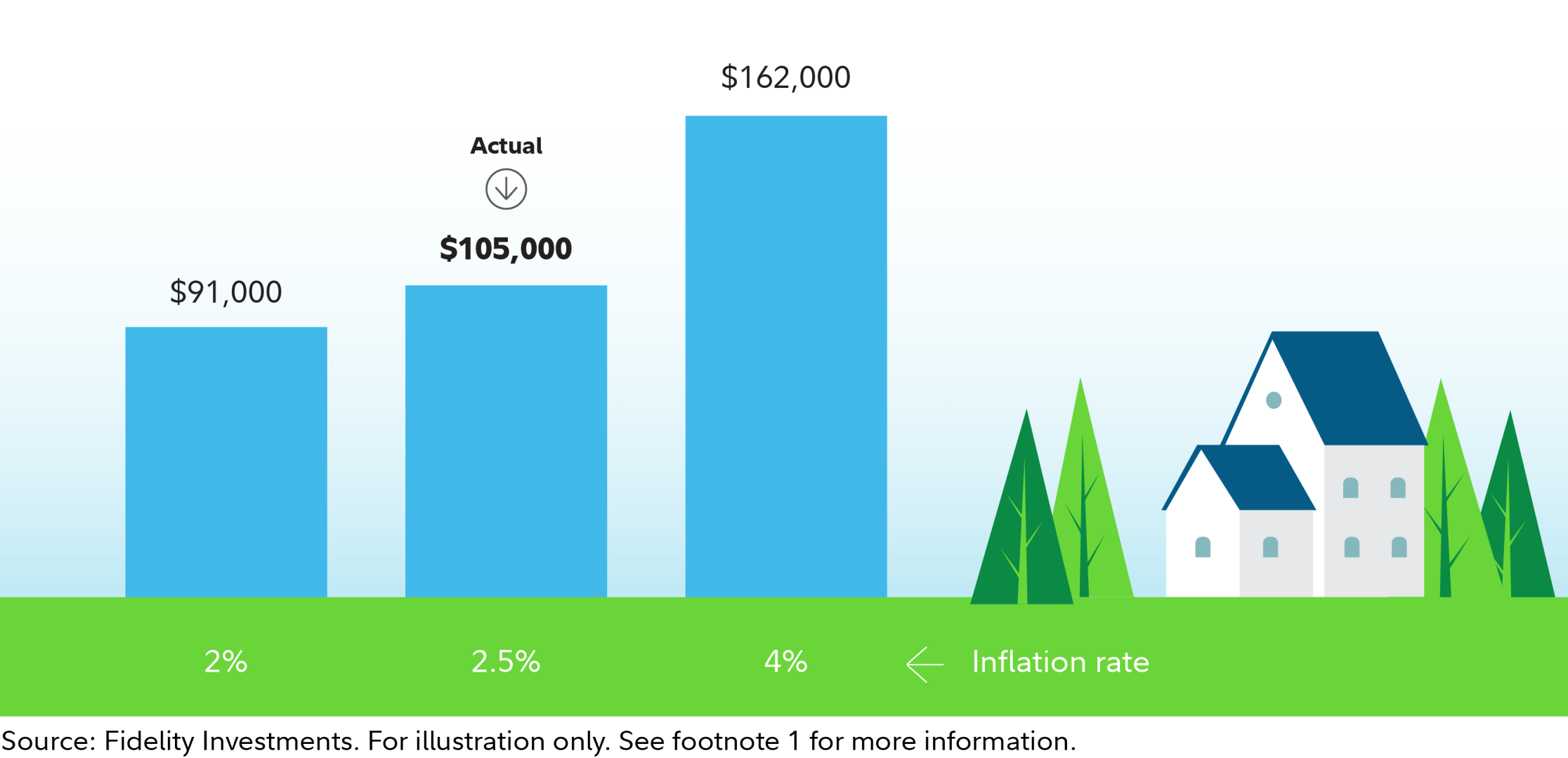
This analysis assumed $50,000 of annual expenses in 1997 and tracked the effect of varying rates of inflation over the next 25 years
This analysis assumed $50,000 of annual expenses in 1997 and tracked the effect of varying rates of inflation over the next 25 years
It's easy to see why this is a problem for everyone, Inflation erodes the purchasing power of every dollar by driving up the cost of essentials (groceries, rent, utilities, transportation, and healthcare) often faster than wages rise, while savings in low-yield accounts lose real value and emergency funds shrink. It complicates household budgeting and long-term planning, forces workers to seek higher pay amid lagging wage growth, and alters borrowing dynamics as fixed-rate loans become easier to repay but variable-rate debt grows costlier. Faced with uncertainty, people delay major purchases and endure increased financial stress that undermines their overall quality of life.
A low, stable inflation rate—around 2% annually—is generally healthy for modern economies. Nevertheless, inflation inevitably impacts your finances. Investing offers a proactive way to preserve and grow your purchasing power as inflation erodes cash and low-yield savings. A proven strategy is to allocate capital to assets that historically outpace inflation, so you can shield your portfolio’s real value and even build wealth over time.
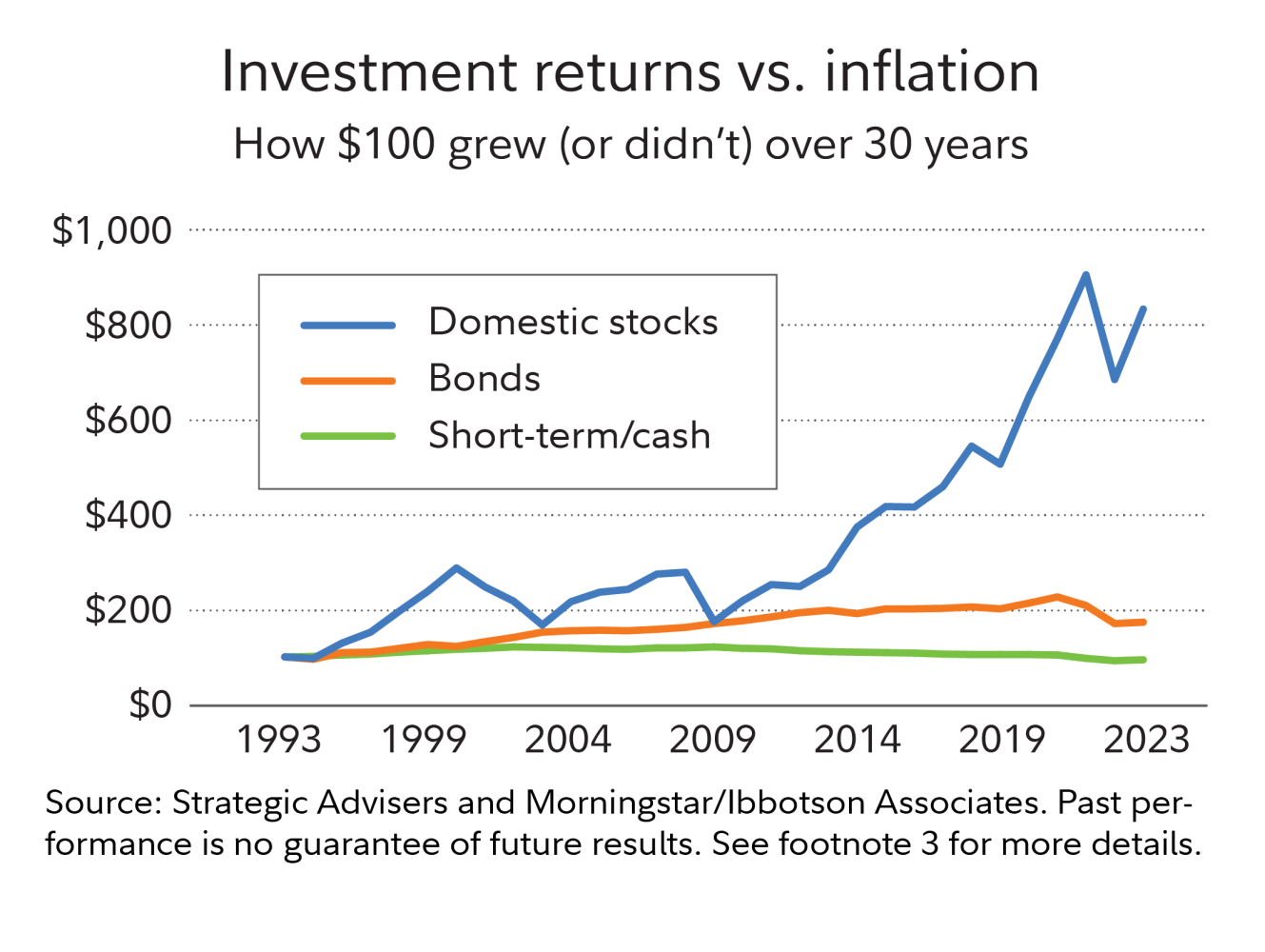
The goal is to put your money into things that grow in value when prices rise. U.S. government bonds like I Bonds and TIPS automatically adjust for inflation, so they help protect your money’s buying power. Investing in things like gold, oil, or farming products (called commodities) can also be useful, because their prices often go up when inflation does. Real estate is another strong option—property values and rent usually increase over time. Stocks in companies that sell essentials like food, electricity, or medicine tend to hold up well, since people still need those things even when costs are rising.
To keep your plan strong, it’s smart to spread your money across different types of investments—this is called diversification. Investing in big groups of companies, like through an S&P 500 index fund, has often beaten inflation over the long term. Checking and adjusting your investments every so often helps you stay balanced. Also, don’t let too much cash sit in your bank account. Money loses value when prices go up, so it’s better to keep it working in smart investments.
Over the long term, investing is one of the most effective ways to protect against inflation because it allows your money to grow faster than rising prices. Assets like stocks, real estate, and inflation-linked bonds not only preserve purchasing power, they often outpace inflation through compounding returns and value appreciation. By staying invested and diversifying wisely, you’re turning inflation from a threat into a motivator, using rising costs as a reason to build wealth rather than watch it erode.
Thanks for reading, see you next week for more insights and inspiration! Enjoy the rest of your week.